
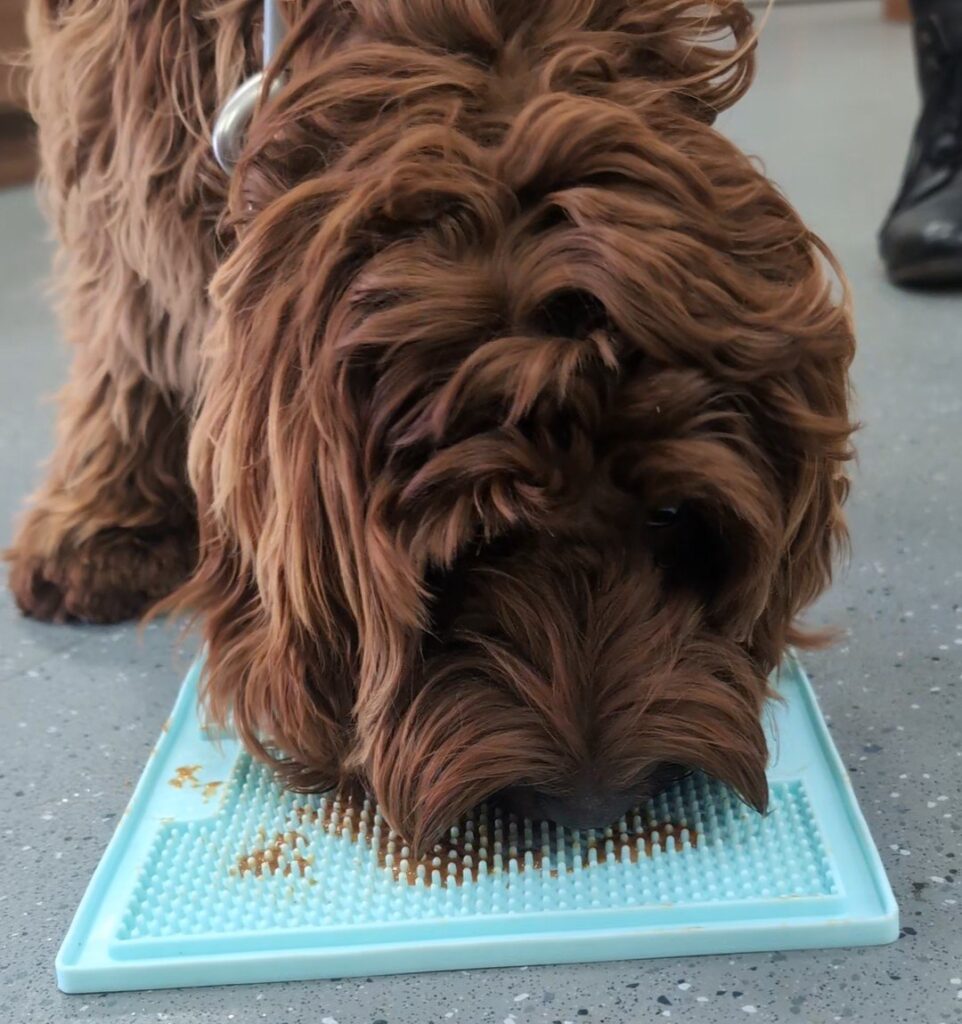
What is enrichment?
Enrichment originates from the world of zoology and captive animal care, where it was designed to improve the well-being of wild animals in captivity. It involves creating opportunities that encourage natural behaviours, for example, placing food high in branches, hiding treats in crevices, or introducing new objects to explore and play with.
Animals with good mental health are more likely to engage with their environment. They tend to be calmer, less fearful, less aggressive and show curiosity and ease within their surroundings. Enrichment helps to promote this positive mental welfare by allowing animals to express natural instincts and behaviours.
The idea of enrichment made its way into companion animal care during the 1970s and has gained huge popularity in recent years, thanks in part to slow-feeding bowls, snuffle mats, creative puzzle toys and social media trends. That said, enrichment isn’t new at all and most pet caregivers have been doing it for years through walks, play and training.
Dogs, as scavengers and hunters, have strong behavioural drives depending on their breed and background. Thoughtful enrichment helps meet these needs. Without it, many dogs will find their own ways to self-entertain, sometimes with less-than-desirable results!
Why is enrichment so important?
Dogs thrive on social interaction and love spending time with their human companions. However, our busy lives, unpredictable weather and restrictions on where we can walk mean we can’t always give them our full attention.
Enrichment helps to fill these gaps by keeping dogs mentally and physically engaged. When used correctly, it can also help reduce unwanted behaviours such as chewing, barking or anxiety.
When should enrichment be used?
Every day! Enrichment doesn’t have to be complicated. It can be part of your dog’s normal routine, whether on walks, during mealtimes or while relaxing at home. Even small, simple activities can have a big impact on your dog’s well-being.
Important considerations
Enrichment should always complement, not replace, good care. It cannot make up for poor nutrition, inadequate living conditions, lack of healthcare or limited social interaction.
Always consider your dog’s:
- Health – Adjust activities for illness, injury or mobility issues.
- History – Rescue dogs may need time and patience to learn new things.
- Confidence and optimism – Some dogs naturally expect good things, while others need reassurance.
- Breed traits – Tailor enrichment to your dog’s instincts and abilities.
Enrichment ideas
There are endless ways to make enrichment fun and engaging! Here are a few to get you started:
- Puzzle games – Usually a two-player activity: caregivers set it up, and the dog has fun licking, pawing and problem-solving to get the rewards.
- Food dispensers – Great for solo play, keeping dogs busy while they figure out how to release their food.
- Environmental exploration – Scatter food in the garden, under leaves or around the home for a natural scavenging experience.
- Home-made ideas – Use household items like cardboard boxes, muffin tins or towels to hide treats.
- Scent work – Encourage your dog’s incredible nose with scent trails or hidden treats.
Do you have a favourite enrichment idea that works for your dog? We’d love to hear your examples!
What types of rewards can I use?
Almost any type of food can be used for enrichment. Raw, wet or dried food, shop-bought meals or even home-cooked recipes all work well. Frozen broccoli stems, carrots or any other food can be a great option in warmer months to help your dog cool down while keeping them busy.
Always make sure any food used is safe and appropriate for your pet.
Other enrichment rewards don’t involve food at all. Toys and tugs can be as much and even more enticing and rewarding than food and treats. Some toys made from faux fur or even rabbit fur were created for this reason.
Common challenges
Not all enrichment works perfectly the first time. Some dogs may become frustrated, overly excited, or even guard their toys or food. Others might give up if the challenge feels too difficult.
The key is to observe and adjust. Enrichment should be enjoyable, achievable and rewarding, never stressful. Some dogs might need extra help, getting hints or by seeing you solve the puzzle to learn how to solve it themselves.
What does good enrichment look like?
Good enrichment should be thoughtful, safe and tailored to your dog’s individual needs. It encourages natural behaviour and engagement without causing frustration or fatigue.
A note of caution
Enrichment is just one piece of the well-being puzzle. It should never replace proper training, healthcare or the opportunity for rest. Dogs also need downtime and easy, relaxed meals — they shouldn’t feel like they have to “work” for every bite.
And finally, there’s no need to feel pressured to create picture-perfect enrichment setups. It’s never about how it looks; it’s about how it makes your dog feel.